On this page
In the increasingly crowded field of sports nutrition, ensuring safety and efficacy is paramount to our team at Basic Supplements. One of the most effective ways that we guarantee these qualities is through rigorous third-party testing. But what exactly does this mean? And why should consumers choose products that have undergone this intensive evaluation?
What is Third-Party Testing?
Third-party testing is a quality control process where a finished product sample is sent to an independent, unbiased laboratory to be tested to ensure it meets specific safety and efficacy standards.
At Basic Supplements, we partner with Dyad Labs, an ISO-accredited facility that delivers accurate and reliable test data. Our commitment to transparency means consumers can trust that our products are high quality and perform exactly as claimed on our labels.
Key Factors Analyzed:
1. Protein Content
Protein levels are assessed using the Dumas method; a globally recognized technique validated by organizations such as AOAC and ISO. This method combusts a sample to measure nitrogen content, converting it into protein based on established factors. This ensures each portion supplies the protein levels promised on the label.
2. Heavy Metals (Lead, Arsenic, Cadmium, and Mercury)
Toxic heavy metals can contaminate food and supplements due to environmental factors. The FDA emphasizes monitoring these substances because of their potential effects on health, particularly during critical development stages. Third-party testing ensures that our products not only remain safe and free from harmful levels of these heavy metals, but also well below industry standards.
3. Moisture Content Analysis
The “Loss on Drying” (LOD) method measures moisture levels in supplements, which is essential for maintaining shelf stability and quality. High moisture can lead to bacterial growth and compromise the sensory attributes of a product, such as taste and texture. Compliance with legal and regulatory moisture limits is also ensured.
4. Potency of Active Ingredients
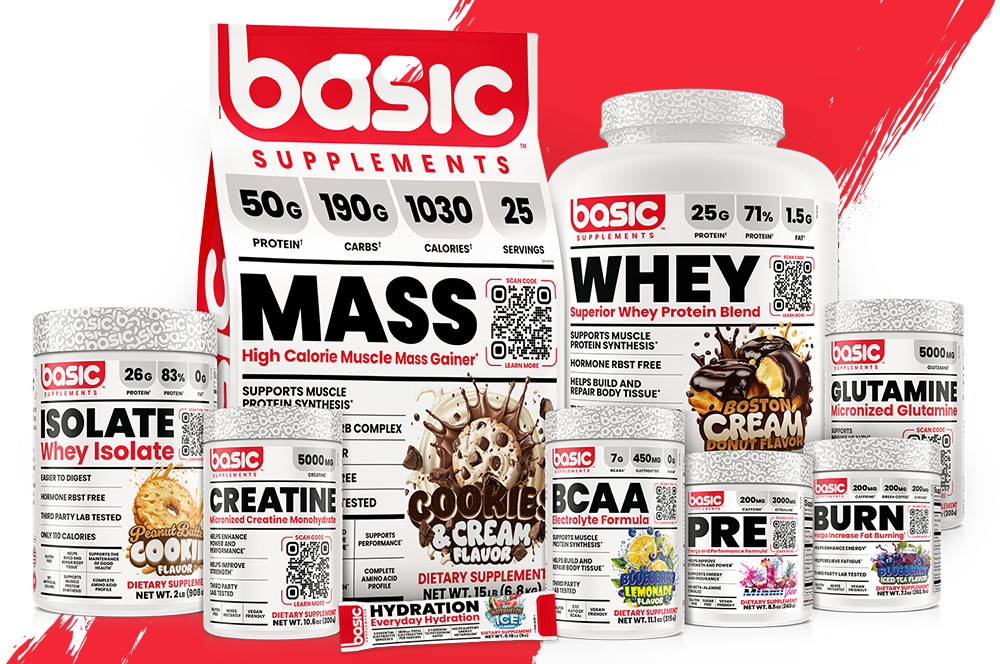
Active ingredients in dietary supplements are responsible for their physiological effects. For instance, citrulline is a key component in Basic PRE. By specifically analyzing these ingredients, we guarantee that consumers receive dosages exactly claimed on our label, not fillers or cheap, ineffective alternatives.
Why is Third-Party Testing Crucial for Consumer Safety and Product Efficacy?
Recent reports, such as one from the Clean Label Project, highlight the risks associated with many popular protein powders. Their analysis of 160 products from leading brands revealed concerning levels of toxins and contaminants not disclosed on nutrition labels. This underscores the importance of third-party testing: it serves as a safeguard for consumers.
Our Commitment to Transparency
At Basic Supplements, we prioritize transparency and go the extra mile to share our actual third-party lab results. When you choose Basic, you can be confident that you’re getting exactly what’s stated on the label—no surprises, no misleading claims, no BS.
In a market where safety and efficacy can vary dramatically, third-party testing stands out as a critical practice that consumers should look for. This ensures peace of mind, allowing you to confidently focus on your health and wellness. Always choose brands that proudly showcase their commitment to quality with third-party verification—right on the label! When it comes to your health, never settle for less.







 Basic 101